
Introduction
Joha rice is an indigenous aromatic rice variety of Assam, India, known for its unique fragrance, taste, and nutritional benefits.
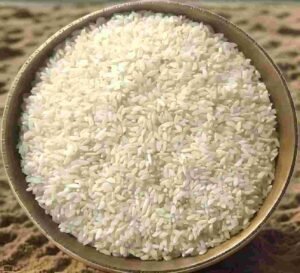
It holds a special place in Assamese cuisine, culture, and agricultural identity.
Origins and Characteristics of Joha rice
| Feature | Details |
|---|---|
| Geographical Origin | Indigenous to the fertile Brahmaputra valley. |
| Name Meaning | “Joha” translates to “fragrant”. |
| Aroma | Natural floral aroma, distinct from Basmati rice. Some compare it to sandalwood. |
| Grain Structure | Short, slender, slightly sticky when cooked, with a tender bite. |
| Size & Elongation | Short grains (<4.7 mm) with limited elongation (1.1 times). |
| Varieties | Kola Joha, Keteki Joha, Bokul Joha, Kunkuni Joha, Bora Joha, Mokhowa Joha. |
| Taste | Enhances traditional Assamese flavors. |
| Growth Season | Winter rice, grown in the Sali/Kharif season. |
| Cultivation Areas | Primarily grown in hilly/mountainous regions for self-consumption. |
Cultivation and Harvesting of Joha rice
Traditional Farming Methods: Uses sustainable agricultural practices.
Organic Techniques: Avoids chemical fertilizers and pesticides to maintain natural fragrance.
Monsoon Crop: Grown as a Kharif crop, planted during monsoon and harvested in early autumn.
Low Yield: Limited cultivation due to poor yielding ability.
Nutritional Value and Health Benefits of Joha rice
| Nutrient | Health Benefit |
| Antioxidants | Reduces oxidative stress. |
| Phenolic Compounds | Promotes heart health, reduces inflammation. |
| Easily Digestible | Soft texture, non-sticky, easy to digest. |
| Gluten-Free | Suitable for gluten-intolerant individuals. |
| Fatty Acids | Contains omega-6 (linoleic) & omega-3 (linolenic) acids. |
| Other Nutrients | Rich in carbohydrates, flavonoids, proteins, volatile oils. |
Culinary Uses of Joha rice
Assamese Cuisine: A cherished staple in Assamese dishes.
Special Dishes:
Table rice
Kheer (Pulao)
Frumenty
Geographical Indication (GI) Tag
| Parameter | Details |
| GI Certificate Awarded | 2017 |
| Significance | Recognizes unique aroma, taste, and quality. |
| Legal Protection | Prevents unauthorized imitation. |
Economic Importance of Joha rice
Export Potential: Recognized for high grain quality in international markets.
First Export: Dispatched to the European market in 2007.
Conclusion
Joha rice represents Assam’s agricultural heritage and cultural identity.
Its fragrance, versatility, and health benefits make it a cherished staple.
The GI tag further strengthens its global recognition and economic potential.